Why People Get Injured (And How to Prevent It)
Mar 12, 2026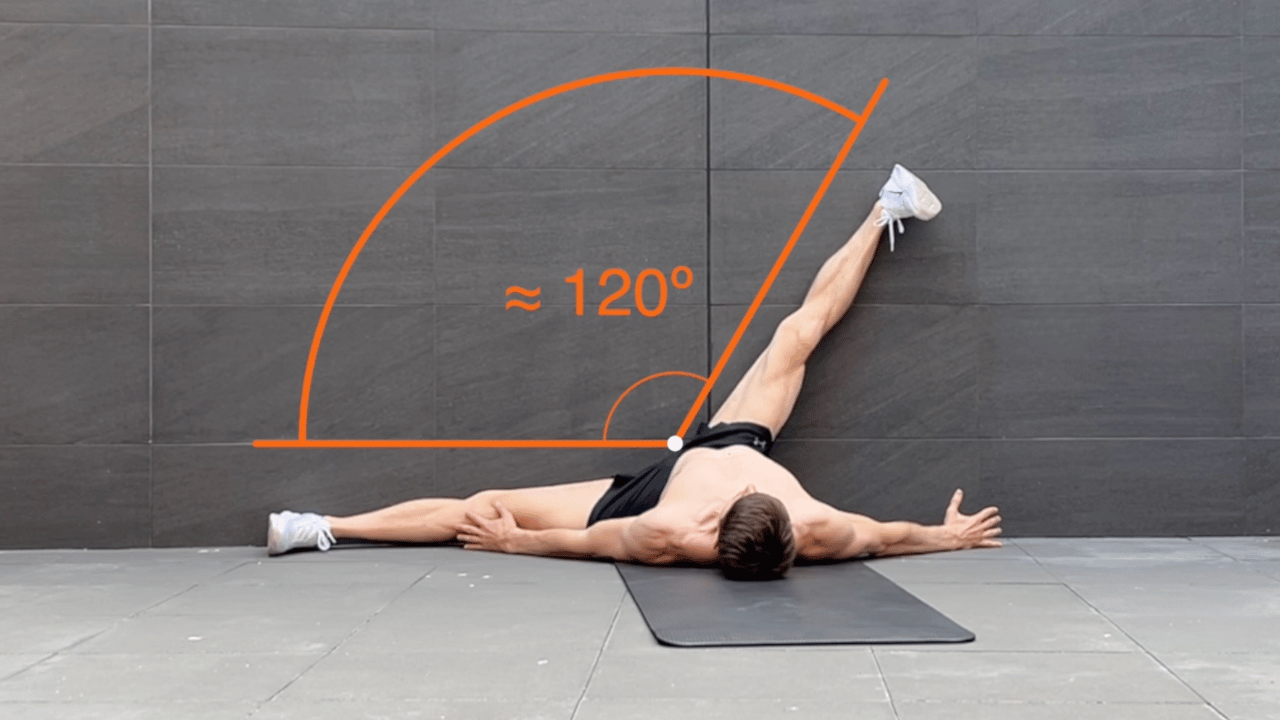
Lessons From 35 Years in Gymnastics
When people think about injuries, they usually imagine something dramatic.
A fall. A bad landing. A heavy lift.
But in reality, most injuries don't happen in one moment. They happen slowly. Quietly. Over months or years.
And the real reason is usually simple: the body stopped moving the way it was designed to move.
When We Are Born, the System Works
When we are born, the body already knows how to move.
Every joint has a natural range of motion. Every muscle has a role. Everything is balanced.
Watch a small child — they squat naturally, crawl, roll, stand up easily. The movement system works perfectly.
But then life begins to change it.
Lifestyle Rewrites Your Movement Patterns
As we grow up, our lifestyle starts shaping our body. Not our genetics. Not our potential. Our habits.
Sitting many hours every day. Looking at screens. Driving. Repeating the same movement patterns.
Slowly this creates muscle imbalance. Some muscles become tight. Some become weak. When this happens, the body begins to compensate. And compensation leads to movement faults.
Small Mistakes Repeated Thousands of Times
A single bad movement rarely causes injury. But repetition does.
Take walking. You walk every day — maybe 5,000 or 10,000 steps. If your hips don't extend properly, if your glutes are weak, if your ankles don't move well — then every step creates extra pressure on the knees, cartilage, ligaments, and joints.
One day nothing happens. But after millions of repetitions, the body starts to break down.
This is how most injuries appear — not from one mistake, but from 10,000 small mistakes repeated every day.
Pain Is the Last Warning Signal
The problem is that pain appears very late. Usually the sequence looks like this:
- First you lose some mobility.
- Then movement patterns change.
- Then compensation increases.
- Then inflammation begins.
- Finally pain appears.
Pain is not the beginning of the problem. Pain is the final alarm — your body saying: "Something has been wrong for a long time."
"Something has been wrong for a long time."
The Tool Most People Ignore: Movement Analysis
One of the most powerful tools in training is also the most overlooked: movement analysis.
Before I start coaching someone, I always begin with a body evaluation. Why? Because if we don't know what needs to be fixed, how can we fix it?
We have several major joints: ankles, knees, hips, spine, and shoulders. If we regularly check their range of motion and stability, we can detect problems very early — ideally once a month, or at minimum once every three months.
When you do this, you can catch movement limitations before pain ever appears. This is real injury prevention.
The Three Layers of Injury Prevention
1. Mobility
First, restore range of motion. Modern people spend too much time sitting. Because of this, hips become tight, the thoracic spine becomes stiff, and shoulders lose range.
For most people today, 80% of the work should be mobility, and only about 20% strength activation.
The hips are the most critical area to address. If you want to start restoring hip mobility today, the Hip Mobility Challenge is a structured daily program to do exactly that.
2. Stability
Once the joints move well, the body must learn to control that movement. Keeping the spine stable when lifting a child. Controlling posture when sitting. Maintaining balance when stepping or running. Stability teaches the body how to manage forces safely.
3. Coordination
Finally comes coordination — the communication between brain, nervous system, and muscles. When the body reacts efficiently to external challenges, injuries become much less likely.
The Most Important Muscle Group
If I had to choose one area that reduces injury risk the most, it's simple: core muscles.
The core connects everything. It affects walking, running, squatting, jumping, lifting, and even getting out of bed. Research with athletes shows that structured core training can dramatically reduce injury risk.
Athletes vs. Everyday People
Athletes experience higher intensity stress. Everyday people experience long-term repetitive stress. Both require preparation. The difference: athletes face short bursts of extreme load, everyday people face lower loads for years.
The Philosophy I Teach
My philosophy is simple: if you move your body, you are already ahead of most people.
Daily: simple warm-up, mobility work, core activation. Periodically: movement evaluation, mobility testing, correcting imbalances.
This approach transforms training from reacting to injuries — to preventing them entirely.
Final Thought
Your body is an incredible system. But like any system, it requires maintenance.
Ignoring movement quality is like ignoring engine maintenance in a car. It may run for years. But eventually something will break.
The goal of training is not only performance. The real goal is longevity of movement — to move well, to move without pain, to move for life.
FAQ
Why do most injuries happen gradually rather than suddenly?
Because a single bad movement rarely has enough force to cause damage on its own. The problem is repetition — the same faulty movement pattern repeated thousands of times over months or years gradually overloads the joint, ligament, or tissue until something gives.
What is muscle imbalance and why does it matter?
Muscle imbalance is when paired muscle groups develop uneven strength or length. This changes joint angles, movement patterns, and force distribution. Your body compensates, overloading structures that weren't designed to handle that load. Over time, this creates the chronic pain that people often mistake for "bad luck" or aging.
How often should I do a body movement evaluation?
Ideally once a month to catch small changes early. At minimum, once every three months. Simple tests like hip flexion range, single-leg balance, overhead mobility, and squat depth can reveal the most common imbalances before they cause pain.
What percentage of training should be mobility for a desk worker?
For most people with sedentary jobs, roughly 80% mobility and 20% strength activation is the right ratio — at least initially. Restore range first, then load it.
Keep Reading
- Injury Doesn't Come From Nowhere — the specific mechanics of how fatigue and coordination failures cause injuries
- Why Your Body Compensates — And How to Fix It — what happens after injury and how to break the compensation cycle
- Why Your Body Hurts — And How to Fix It With Movement — the movement-first philosophy behind injury recovery
- 10-Minute Full Body Mobility Routine — a practical starting point for daily mobility work
- The Real Meaning of Health: Your Ability to Adapt — why injury prevention is ultimately about adaptability