I Didn’t Choose Gymnastics. But It Built Everything
Apr 03, 2026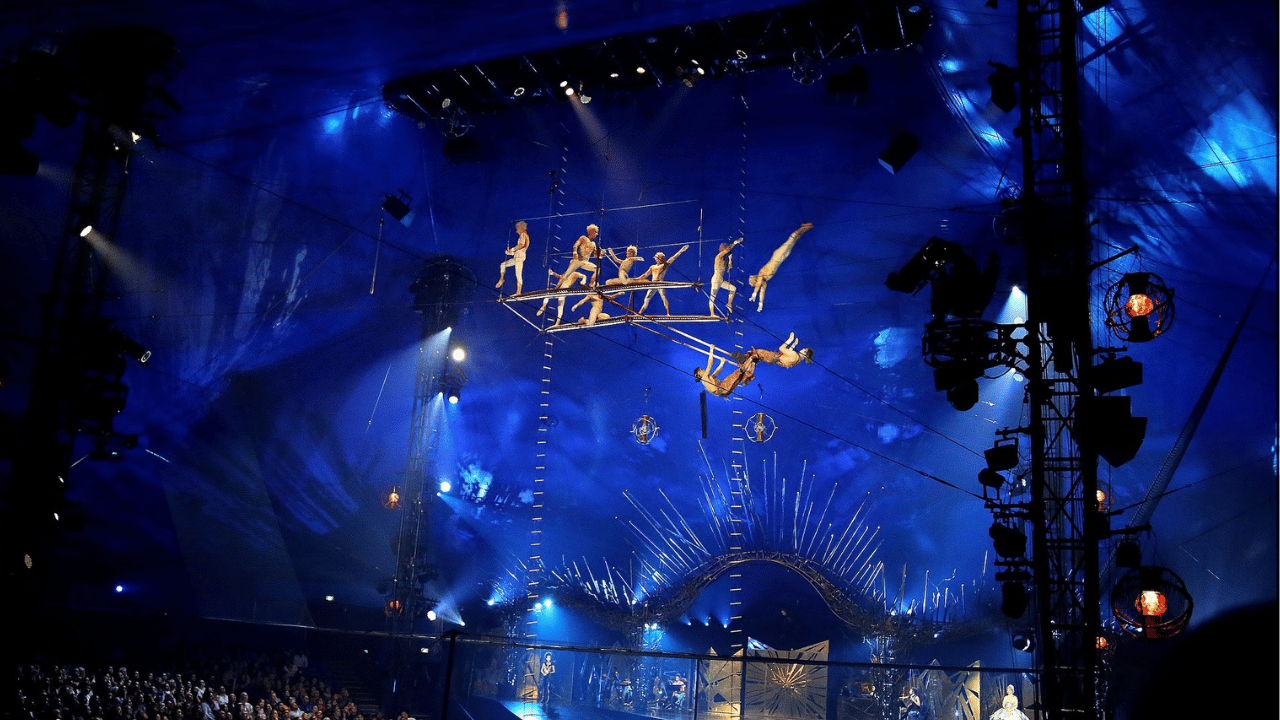
I Didn't Choose Gymnastics
At 4 years old, you don't choose anything. Your parents choose.
In my case it was simple: I had too much energy and always found myself in high-risk situations. There was a gymnastics hall close to home. A friend of my father knew the coach there. No big vision. No plan.
But here is the first thing that matters: the start doesn't matter. What you build from it does.
I trained for years. Like every athlete, I believed I would go to the Olympic Games. And then at some point, reality came. Around 18, I realized I wasn't going to win this game. Not because I didn't try — but because I didn't adapt early enough to what top-level gymnastics demands.
And then comes the real problem most athletes face: you spent your whole life doing one thing — and now you don't know what to do next. I had no backup plan. No other skills. Only one thing — movement. And that's where everything changed.
The Opportunity Most People Ignore
Some guys around me went to Cirque du Soleil. They said: "You will do gymnastics, get paid, and people will clap." Sounds simple. But most people hear something like this and do nothing.
I recorded a video. I sent it. And then I waited. Two years. No control. No guarantee. Then one day — they called me. That's how my journey in Cirque du Soleil started.
What People Don't Understand About Performance
People see the show. Lights, music, applause. They think it's magic. It's not. It's mechanics. Preparation. Risk. I did more than 2,000 shows, and every single one was different. Because this is not competition — it's real-time decision making under pressure.
12 Meters Above the Ground
We performed at 12 meters. No cables. Only a net. Even with the net, falling is not something you want. My role was to catch people. Not objects. Not equipment. People. Your teammates. Your friends. If you miss, they fall. That changes everything.
Fear Is Not the Problem
The first show, I was scared. My brain was telling me not to go. But I went. Because the system doesn't wait for your emotions. The light turns green — you move. There is no step back. And this is important: action doesn't come after confidence. It creates confidence.
Injury Is Part of the Game
At some point, I injured my knee during a premiere. Full audience. Big moment. Last element — and I felt my knee stop working. But I still had to finish the act. Because someone was flying toward me. I caught him. Then I left the stage. That's the reality of performance.
Recovery Is Not Rest
Most people think recovery is doing nothing. Wrong. Recovery is structured work. In my case, we decided not to do surgery. I recovered in around 10 weeks. Not because I'm special — because of system, consistency, and focus. This is exactly how I approach training today.
If you've been through a knee injury, the Knee Challenge follows the same structured recovery approach — mobility, activation, and progressive loading in the right order. The Shoulders Challenge is built the same way for anyone who has suffered shoulder issues from sport or life.
What Happens Behind the Scenes
Performance doesn't happen on stage. It happens before. Before every show: we eat, we prepare mentally, then makeup, costume, warm-up. Then small roles, staying ready. Then the main act. After that: analyze performance, train, recover. Repeat. No motivation needed. Only system.
The Truth About Mastery
Creating the act took months. And not only physical training — we learned movement, control, timing, acting. We came as gymnasts. We became performers. But even after that, I wasn't ready. Real readiness came after years. Most people quit before they even understand what they're doing.
Why This Matters for You
You don't need to be in the circus. But you need to understand your body. If you don't train it — you lose control. If you don't understand it — you get injured. If you ignore it — it stops working. Simple.
Movement Is Not Fitness
Most people train muscles. I train movement. That's a big difference. In a handstand: hands make small corrections, shoulders control big balance. If you don't use shoulders — you fall. Same in life: small adjustments are not enough. You need structure.
Final Thought
I didn't build my life on talent. I built it on consistency, structure, and adaptation. This is what I teach — not tricks, not motivation, but a system that works.
Start with one movement. Do it every day. Build control. Build awareness. Build confidence. Everything else will follow.
I Believe in You. Just Do It 💪
FAQ
How do you deal with fear before a performance or a scary physical skill?
By understanding that action creates confidence, not the other way around. The light turns green — you move. The body has been prepared through thousands of repetitions. Fear is present, but the system runs regardless. You don't wait to feel ready — readiness comes from doing.
Why do most athletes struggle after their competitive career ends?
Because sport was their entire identity — daily structure, social circle, sense of purpose, and physical outlet all disappear at once. The skills they have — discipline, work ethic, resilience — are genuinely valuable, but they're packaged in a form that doesn't translate obviously to other domains.
What is the difference between training muscles and training movement?
Training muscles focuses on making specific muscles larger or stronger in isolation. Training movement focuses on making movement patterns more efficient, coordinated, and controlled under real conditions. A body that moves efficiently under pressure, adapts to unexpected loads, and stabilizes joints across all positions is far more valuable than isolated strength.
Is it possible to recover from a serious injury without surgery?
Often yes. The decision depends on the severity, location, and the person's specific functional demands. In my ACL case, a structured rehabilitation approach without surgery allowed return to performance in 10 weeks. The key factors were: accurate assessment, precise progressive loading, and consistent daily work on mobility and stability.
Keep Reading
- Reflections of a Cirque du Soleil Artist — the adrenaline, the emptiness, and the transition after the stage
- From the Stage to the Screen — how those years became the foundation for everything I teach
- My Shoulder Injury Journey — another serious injury, another recovery — the lessons are the same
- How I Tore My ACL — the knee injury story from the inside
- What Gymnastics Really Teaches You About Fear and Growth — the deeper mental lesson from every scary skill