How I Tore My ACL and Recovered Without Surgery
Oct 20, 2024
The Impossible Is Possible: How I Convinced Dr. Morelli of a Spare Ligament
Hi, Sportie.
This article is a special one.
Here I will share the most secret thing: my fear.
What for?
Perhaps to get support.
Perhaps to speak out and feel lighter.
But mostly to declare an important goal — one that, once said out loud, I won't dare step back from.
I'll share this like a friend in a sincere chat in the kitchen, and I'll try to avoid dramatic twists, since I've already committed to recovery.
"The brain made the right decision. The body responded with precise, virtuoso movements."
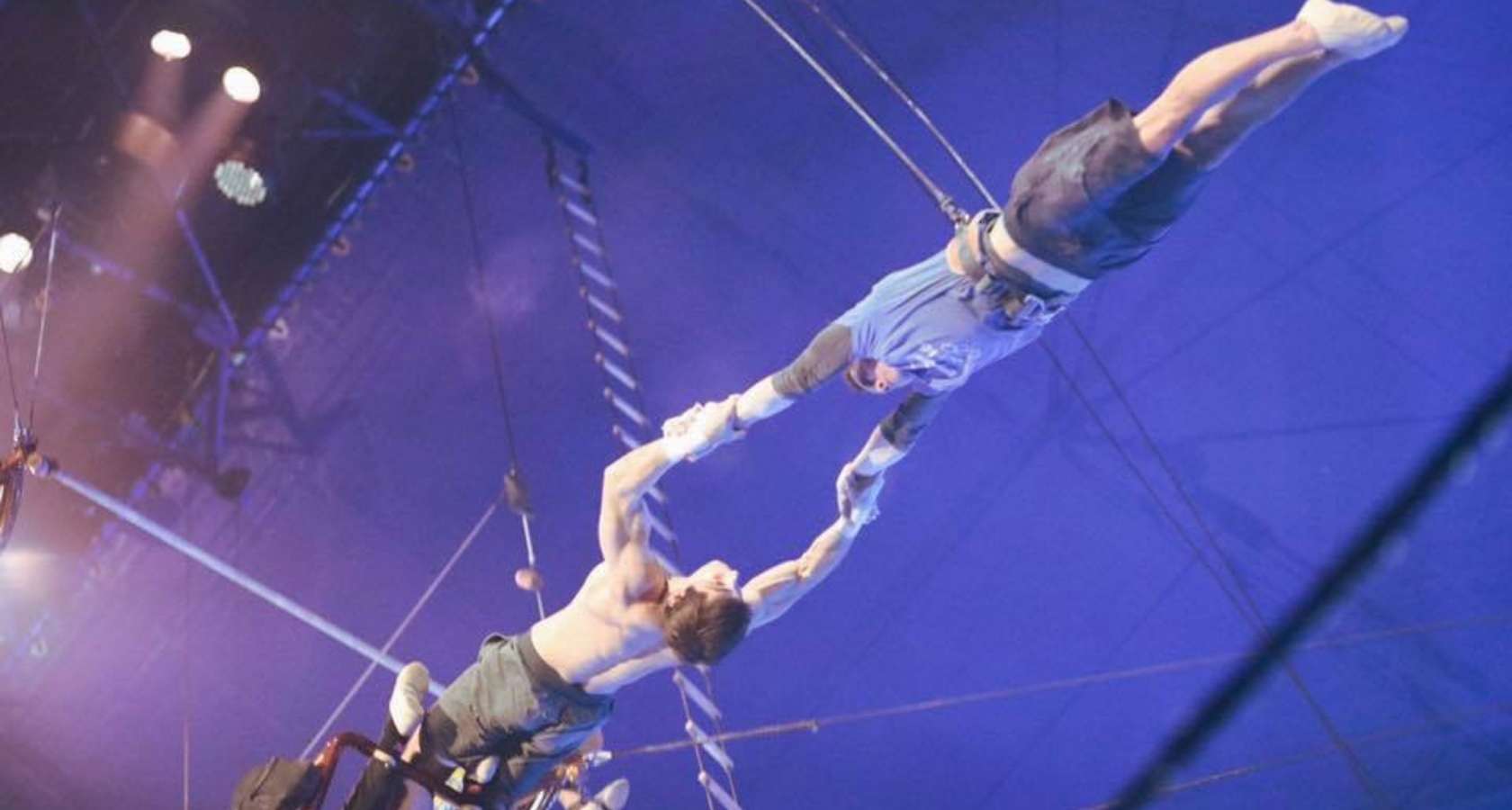
More than two weeks ago, under the spotlight, dissolving in the applause of the audience, I was getting high on life while doing the High-Bar circus "air" trick — one with no analogues in the world — in the legendary Cirque du Soleil production Alegria.
Performing the final trick with incredible amplitude, my partner and I joined hands, creating the perfect line.
Things went smooth, as if by the book.
The brain made the right decision, the body responded with precise movements.
I felt I was doing everything right technically.
A fall was out of the question.
We were moving gently into the hang.
At some point, my knee clicked and "played." I lost my footing and ended up in a moment where time stopped.
We got out of the situation and finished the trick.
The guys kept performing the rest of the number without me.
I hobbled backstage straight into the hands of physiotherapist Nathalie.
A powerful shock hit me.
I had never felt stronger emotions, even though injuries are common for a professional athlete.
I felt like I had lost my footing and control — a feeling comparable to losing a wheel in a sports car at 200 km/h.
The shock was sharper because I had been absolutely confident in myself, my technique, my body.
The click sounded like a shot in the back.
Overwhelming, awful, and completely real.
"Can we even get upset when we're in shock?"
After examining the knee, the physiotherapist reassured me that things weren't too bad, and that I shouldn't be upset.
I thought: can I even get upset right now, while in shock?
Yes, the knee was swollen.
Inflammation was visible.
A small bruise began to appear.
Still, all of this resembled childish pranks compared to what I feared.
I applied ice (the first thing to do with any injury), limped home calmly, and refused crutches.
The next day, the knee looked just as good as before, all things considered, and I went to the doctor in an elated mood.
The doctors I met in Canada looked like heroes from Hollywood movies: tall, athletic build, gray hair hinting at experience, glasses highlighting intelligence.
A smile that gives you confidence everything will be fine.
A dressing gown casually thrown on, talking about a busy and active life.
Dr. Morelli tested my leg, twisting it at different angles, mentally trying to look inside the joint, putting the knee's stabilizing function under serious doubt.
In my training program "Body — Instructions for Use," I had shown many times how to test a knee like this myself.
After the exam, the doctor supported my positive outlook, noting that my healthy left knee actually passed the tests worse than the injured right one.
He said he didn't share my fear — but just in case, he referred me for an MRI.
Receiving such joyful news, I left the doctor's office on cloud nine.
I went to the show the next day to do the cue (a supporting role on stage).
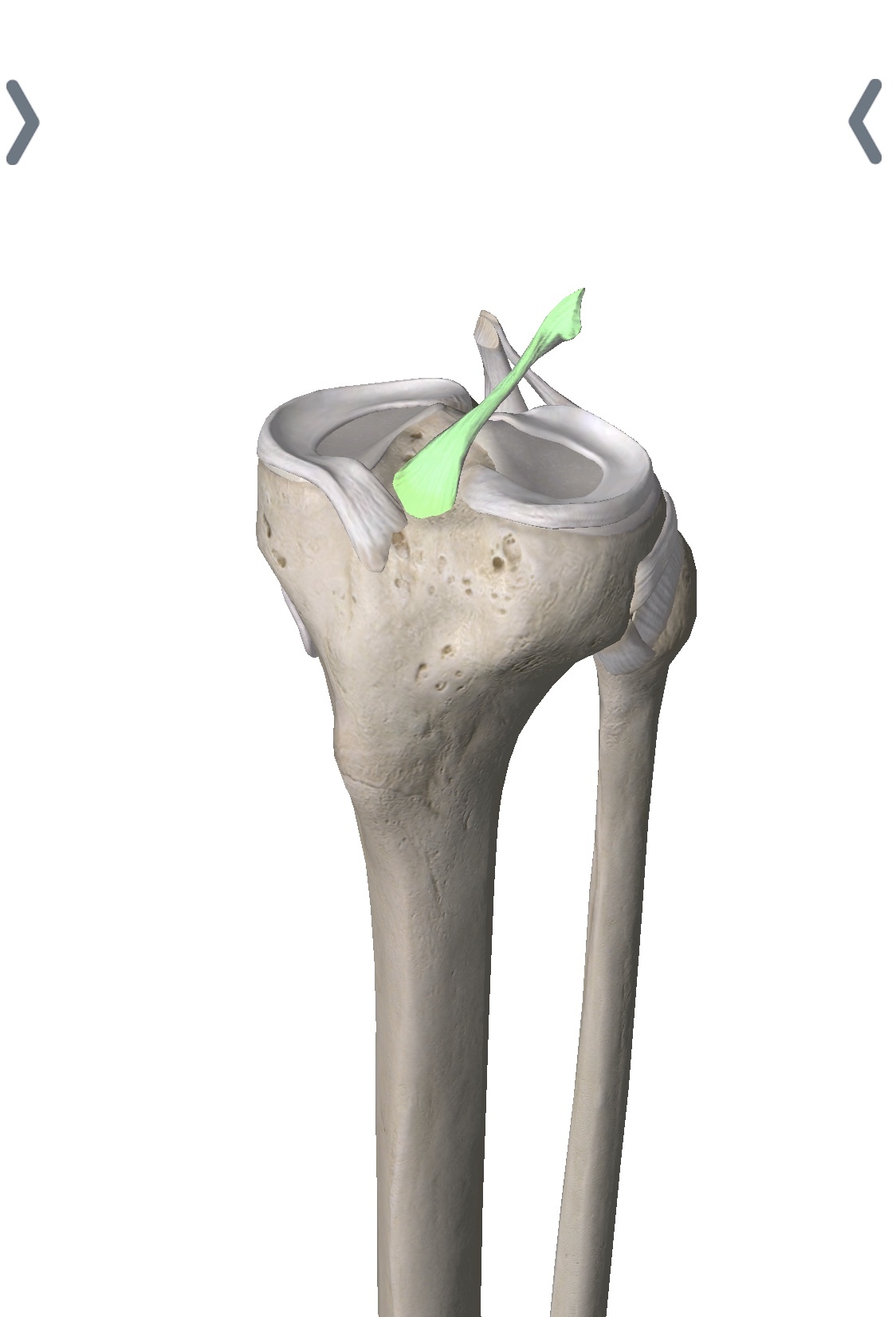
I got the MRI the day after that, and the results came back quickly: a complete tear of the anterior cruciate ligament (ACL).
There are four ligaments at the deepest level of the knee: two cruciate ligaments (which keep the knee from moving forward and backward) and two lateral ligaments (which keep it from moving side to side).
But I also knew that beyond the main ligaments, there are many smaller ligaments, the joint capsule, and the surrounding muscles — and they all help hold the joint together.
The stronger the muscles, the more reliable the joint.
Still, the news hit hard.
I took a long pause.
A surgical repair would mean 6 to 8 months of recovery.
"Six to eight months without a stage, without applause, without adrenaline — that's total darkness for me."
Physically, I felt great.
I could walk, almost run, and I was eager for a quick recovery.
But mentally, I was lost — sitting and staring at one point, which isn't like me at all.
The strange part: nothing had physically changed.
I had simply received information (an MRI report), and that alone was enough to send me reeling.
Two days later, once my focus returned, I went to see another doctor — this time, the right sports doctor.
Mr. Derek understood what I lived for, what I loved.
The Battle: Re-Test and Common Sense vs. MRI Report and Stereotypes


The Doctor's Opinion
Common sense won out.
The knee remained stable.
Recovery would happen without surgery.
The tasks ahead:
- Relieve the inflammation.
- Heal the deep bruise on the bone.
- Maintain mobility and muscle activity during the passive phase of recovery.
- Build muscle mass, improve stabilizing function, and increase strength during the active phase of recovery.
"The task is clear. I'm diving into the work. I will train and become stronger than yesterday."
I got back to the gym and built a program together with a doctor and a physiotherapist.
The work was in full swing.
Years later, I turned that exact recovery process into a structured program, the Healthy Knee Challenge, so other people don't have to figure it out alone.
My public goal: back to work in 4 weeks.
No retreats, only forward.
I'll come back stronger than I am now.
I'll share the results of my recovery in Instagram stories, articles, and videos.
I'm sure it will be useful for professional athletes, smart fitness trainers, massage therapists, and rehabilitation specialists.
I'm counting on your support.
That's it for now — time to head back to the gym and turn up the heat.
If this article helped you, please share it.
If you have a question, leave a comment or send me a message.
Have a great day.
Keep in touch.
And remember: you can always do more.
Want to see how this story continues? Read the next part: Rehabilitation of the Knee After a Torn Ligament.
If you're dealing with a knee injury right now, you don't have to start from scratch. Check out the Healthy Knee Challenge, built from this exact recovery process.
FAQ
Can a torn ACL heal without surgery?
In this case, yes. The doctor's exam showed the knee remained stable even with the ligament torn, so the recovery plan focused on reducing inflammation and rebuilding strength and stability through physiotherapy rather than surgery.
What is the anterior cruciate ligament (ACL)?
It's one of four main ligaments deep inside the knee. The two cruciate ligaments stop the knee from moving forward and backward, and the two lateral ligaments stop it from moving side to side.
How long does ACL surgery recovery normally take?
A surgical repair typically means 6 to 8 months of recovery, which is part of why a non-surgical path was explored first in this case.
What were the first steps after the injury?
Icing the knee right away, avoiding crutches, and getting checked by a doctor for stability testing and an MRI to confirm the diagnosis.