Master the Kick Up to Handstand: A Complete Tutorial for Strength & Balance
Oct 15, 2024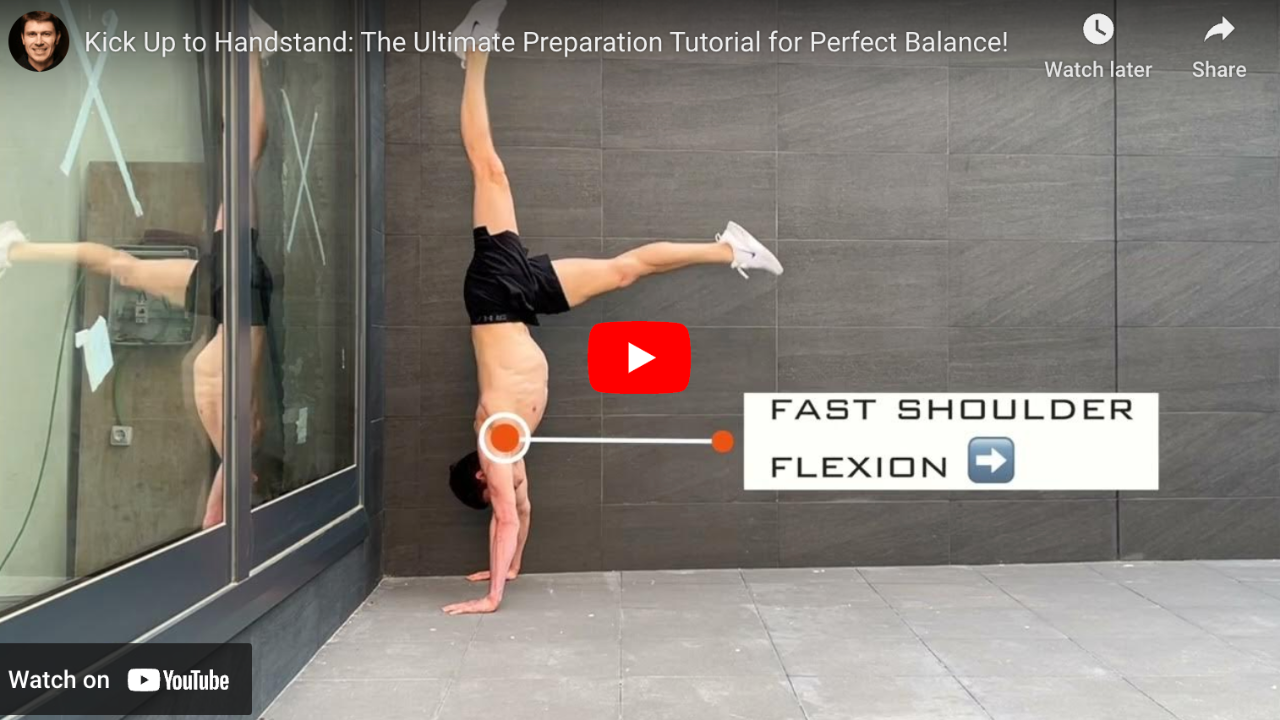
Learning to kick up into a handstand is one of the most exciting skills in gymnastics and fitness.
It might look challenging, but with the right preparation, anyone can do it.
In this tutorial, I'll share the exercises and tips that helped me master my kick up to handstand.
Whether you're a beginner or just looking to improve your balance and control, this guide will walk you through everything you need to know.
Why the Kick Up Matters
The kick up is your gateway to a stable and controlled handstand.
It's not just about strength — it's about balance, coordination, and technique to get upside down safely.
Warm-Up: Preparing Your Body
Before attempting a kick up, warm up your wrists, shoulders, and core.
- Wrist Warm-Up: circles, stretches, and wrist pumps. Your wrists will bear a lot of weight, so make sure they are flexible and strong.
- Shoulder Activation: arm circles and shoulder shrugs. These activate your shoulders and get them ready to support your body weight.
- Core Engagement: hollow body holds. A strong core keeps your body straight once you're in the handstand position.
Step-by-Step Guide to Kicking Up
Step 1: Start in a Lunge Position
Begin in a strong lunge with your dominant leg forward. Keep your back leg straight and engage your core. This lunge gives you the power you need to kick up.
Step 2: Place Your Hands on the Ground
Lean forward and place your hands on the ground, shoulder-width apart. Spread your fingers wide for better balance and stability.
Step 3: Drive Through Your Back Leg
Use the power from your back leg to kick up. Think of it as a strong push that lifts your body off the ground. Your front leg should follow naturally.
Step 4: Find Your Balance
As you kick up, engage your core and point your toes toward the ceiling. Try to find that sweet spot where your body feels weightless. If you fall, that's okay — practice is key.
Step 5: Hold and Come Down with Control
Once you're up, try to hold the handstand for a few seconds. When you're ready to come down, gently bring one leg down first and return to a lunge.
Tips for Success
- Use a wall for support: if you're new to kicking up, practice against a wall first. It builds confidence and helps you get used to the motion.
- Focus on core strength: the stronger your core, the easier it is to hold your balance. Keep practicing hollow body holds and planks.
- Consistency is key: learning the kick up takes time. Don't be discouraged if you don't get it right away — keep showing up.
Common Mistakes to Avoid
- Bending your arms: keep your arms straight when kicking up. Bent arms make balancing much harder.
- Not engaging the core: a loose core leads to a banana-shaped handstand. Keep your abs tight to maintain a straight line.
- Looking at the floor: keep your head neutral. Looking down throws off your balance.
Kicking up to a handstand is an exciting step toward mastering this skill.
With the right preparation, strength, and mindset, you can make it happen.
Keep practicing, stay patient, and celebrate every small victory along the way.
It's not just about getting upside down — it's about building strength, balance, and confidence in your body.
Want a complete day-by-day system to go from kick up to a solid freestanding hold? Join the 21-Day Handstand Challenge — over 100 guided exercises that build everything you need step by step.
Watch the full tutorial video above and subscribe for more gymnastics tips.
Let's keep pushing ourselves and reaching new heights, one handstand at a time.
FAQ
How long does it take to learn to kick up into a handstand?
It varies depending on your current strength and body awareness, but most people see meaningful progress in 4–8 weeks of consistent daily practice. The kick up itself often comes before a solid hold.
Do I need to be strong to kick up into a handstand?
Not extremely strong — but you need enough shoulder stability and core control to support your body weight. The kick up is more about technique and momentum than raw strength.
Is it safe to practice against a wall?
Yes. Practicing against a wall is one of the best ways to build the feeling of being inverted without the fear of falling. It's a standard part of handstand progression for all levels.
Why does my handstand look like a banana?
A banana shape usually means your core isn't fully engaged or your shoulders aren't fully extended overhead. Focus on hollow body holds to build the core tension needed for a straight line.
Keep Reading
- 5 Essential Handstand Technique Tips — the key details that turn a shaky kick up into a controlled hold
- Handstand Preparation: Strengthen Your Body, Shoulders, and Wrists — if your body isn't ready yet, start here first
- Why Technique Beats Strength in Handstands — why working smarter matters more than getting stronger
- The Power of Handstands: From Fear to Confidence — what happens in your mind when you go upside down