5 Essential Handstand Technique Tips for Better Balance & Form
Oct 18, 2024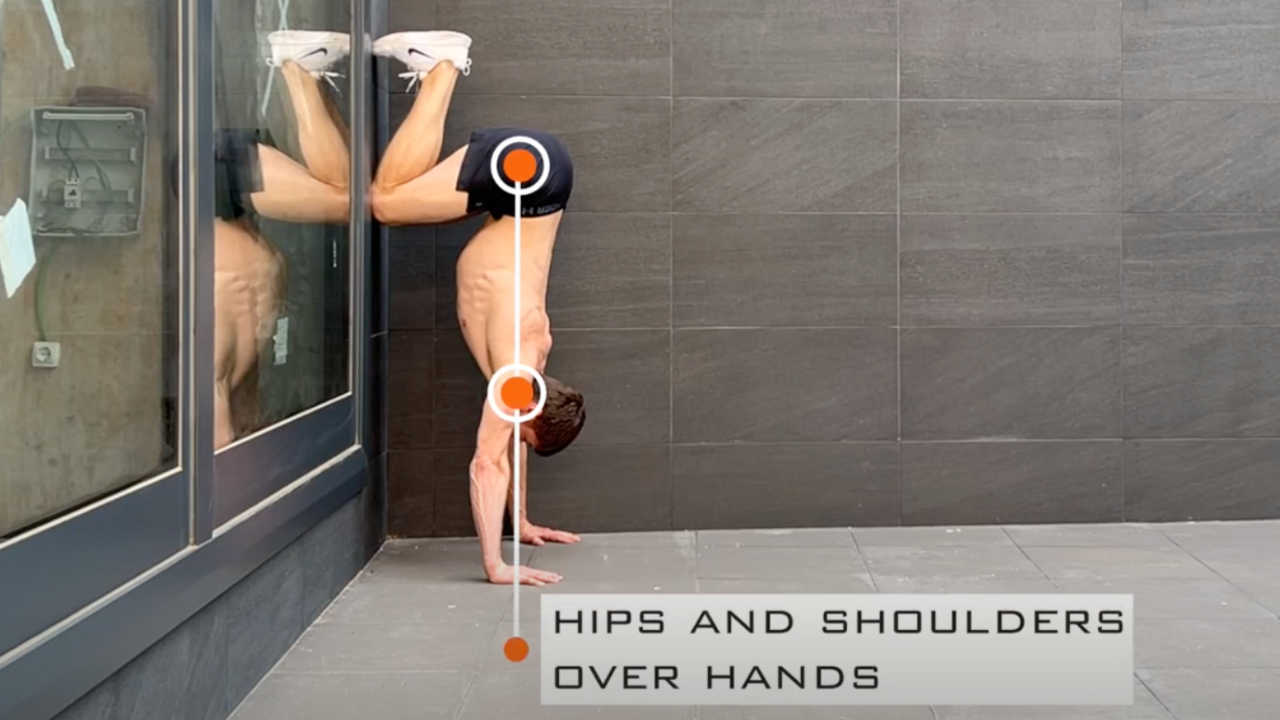
Want to take your handstand to the next level?
Mastering a handstand is more than just brute strength — it's about balance, control, and the right techniques.
In this article, I'll share 5 key tips that helped me improve my handstand form, making it steadier and easier to hold.
Whether you're a beginner or looking to refine your skills, these tips will help you stay upside down with confidence.
Why Technique Matters
When it comes to handstands, proper technique is everything.
It's not just about getting upside down — it's about staying there, feeling in control, and protecting your body from injury.
Using the right techniques helps you distribute your weight, engage the right muscles, and maintain balance for longer.
Tip 1: Engage Your Core
A solid core is the foundation of a good handstand.
Engaging your core keeps your body in a straight line and prevents you from arching your back — the classic "banana handstand."
To practice: tighten your abs as if you were about to take a punch.
The stronger your core, the more stable your handstand will be.
Exercise to try: hollow body holds are the best way to build the core tension you need for a straight handstand.
Want to understand exactly how core connects to balance? Read: How to Use Core for Handstand Balance.
Tip 2: Hand and Wrist Positioning
The way you position your hands makes a big difference in your balance.
Place your hands shoulder-width apart, with fingers spread wide for better weight distribution.
Press through your fingertips to help control small balance adjustments.
Proper wrist positioning also helps prevent strain and keeps your foundation strong.
Exercise to try: wrist stretches and finger presses to improve flexibility and strengthen your base.
Tip 3: Keep Your Arms Straight
Keeping your arms straight is crucial for a stable handstand.
Bent arms make it much harder to balance and can cause you to collapse.
Think of your arms as pillars holding up your body — the straighter and stronger they are, the easier it is to hold.
Exercise to try: overhead shoulder mobility work to ensure you can keep arms fully extended while inverted.
Tip 4: Use Your Fingers for Balance
Your fingers are like the brakes and steering wheel of your handstand.
Press down with your fingertips to stop yourself from falling forward.
Ease off if you're falling backward.
Learning to use your fingers for fine adjustments will make a huge difference in your control.
Exercise to try: practice shifting your weight forward and backward in a plank position, using your fingers to make small adjustments.
Tip 5: Focus on a Point
Pick a point on the floor slightly ahead of your hands and focus on it.
Keeping your eyes fixed on a stable point helps your body stay aligned and prevents unnecessary wobbles.
Simple but very effective.
Exercise to try: practice holding a handstand against a wall while keeping your gaze fixed on a specific point to build this habit.
Common Mistakes to Avoid
- Arching your back: keep your core engaged to avoid the banana shape, which makes balancing harder.
- Looking at your hands: keep your gaze slightly forward to maintain better body alignment.
- Not warming up your wrists: your wrists need proper preparation to handle the pressure. Always warm them up before handstand practice.
Mastering a handstand takes time, patience, and the right techniques.
These 5 tips will help you improve your form and balance.
Remember — it's all about practice and consistency.
If you want to practice these techniques inside a structured daily program, the 21-Day Handstand Challenge is the best place to start — every day builds on the last, exactly the way technique should be trained.
Watch the video above for a full demonstration of each tip, and subscribe for more gymnastics tutorials.
Let's keep reaching new heights, one handstand at a time.
FAQ
Why do I keep falling out of my handstand?
Most people fall because their core isn't tight enough or they're not using their fingers to make micro-adjustments. Balance in a handstand is active — you're constantly making tiny corrections, not just holding still.
How wide should my hands be in a handstand?
Shoulder-width apart is the standard. Too narrow and you lose lateral stability; too wide and you lose the ability to press through your fingers effectively.
How long does it take to hold a handstand for 10 seconds?
With daily practice focusing on technique — not just kicking up and hoping — most people reach a 10-second hold within 3–6 months. Hollow body holds and wall practice are the fastest path there.
Should I look at the floor or at the wall in a handstand?
Neither. Look at a fixed point slightly in front of your hands on the floor. Looking too far back tenses your neck; looking at the wall shifts your alignment. A neutral head position with a fixed focal point is best.
Keep Reading
- How to Use Core for Handstand Balance — why core stability is the hidden foundation behind every tip on this list
- Why Technique Beats Strength in Handstands — why alignment matters more than bigger muscles
- Master the Kick Up to Handstand — nail the entry before perfecting the hold
- Balance & Stability: The Foundation of Movement — understand what balance really is and how to train it
- The Real Secret Behind the 21-Day Handstand Challenge — the structured system behind real handstand progress